By Amy Barnes

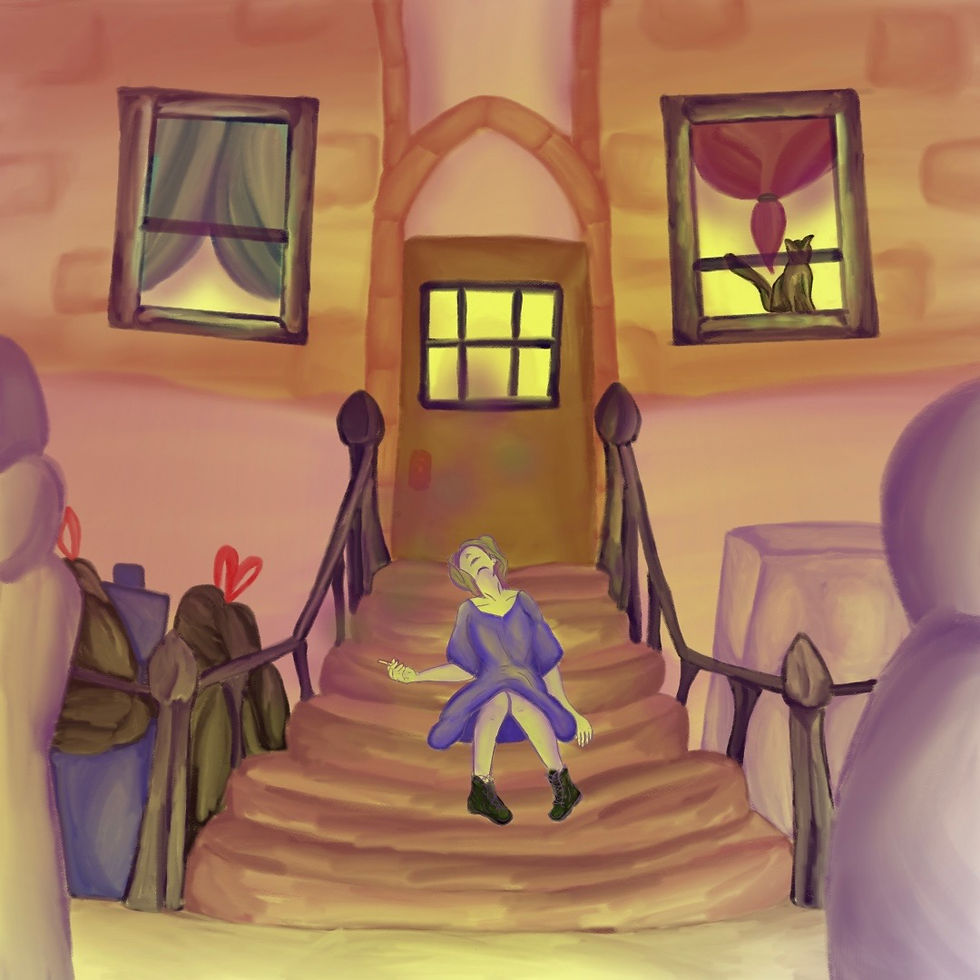
We bought the stage coach wagon to replace a Volvo station wagon that was leaking oil and dreams, so we could head out for better pastures or places, in a vehicle that may or may not be street legal, but is perfect for the purposes of our trip through Western Kansas, AKA the 32nd circle of Hell, complete with its you-pull-it junkyard car seats, and everything smelling of Marlboro ash and decidedly not-new car, purchased off Facebook Marketplace in a field that felt like a drug deal alley, a perfectly serviceable vehicle when you live in Kansas and LARB on the weekend (which rhymes with Barb, which is the name of my my mother and also of a Midwestern fence or a foul-mouthed talking parrot that lives in Queens, and not Wichita), and pack everything from your suburban house on the prairie, with its pink, discarded moldy bathroom carpet in the carport that doesn’t quite cover the covered wagon, but does get laid down as a little cushion, perfect for when we hit the road in our wagon that someone made and then hated and wanted to trade for a dirt bike, and along the way we had to pitch out the extra things that slowed down our gas mileage or took up too much space, just like in pioneer days--a giant armoire that looks like it has Hershey bars for doors, a plastic-wrapped floral coach, a basket of plastic-wrapped sandwiches, La-Z-Boy recliner (but not my lazy brother), a broken blender, almost my broken-father a few times, a sock full of Bicentennial quarters, six Bibles, my prom dresses and my mother’s wedding dress, a microwave the size of Texas, travel souvenir shot glasses and waxy Indian girl dolls wearing tiny moccasins that inexplicably smelled of cow--or is that the Far Side cow smell?, my father asked as he drove straight through, which really means everyone pees on the side of the road behind the shadow of the covered wagon, because we aren’t stopping, side-by-side with my sister who I volunteered as roadside shoulder tribute, to watch warm yellow liquid fill up the 1982 World’s Fair cups that inexplicably didn't get jettisoned, until Oklahoma.
Amy Barnes lives in the South with dogs and kids and words and at @amygcb on Twitter.